Yoga Studio Brand Photography: How to Create a Visual Identity Without Hiring a Photographer Every Month
The yoga studios with the most coherent, instantly recognizable Instagram aesthetics do not hire a photographer every month. They hire one for a single...
Yoga Studio Brand Photography: How to Create a Visual Identity Without Hiring a Photographer Every Month
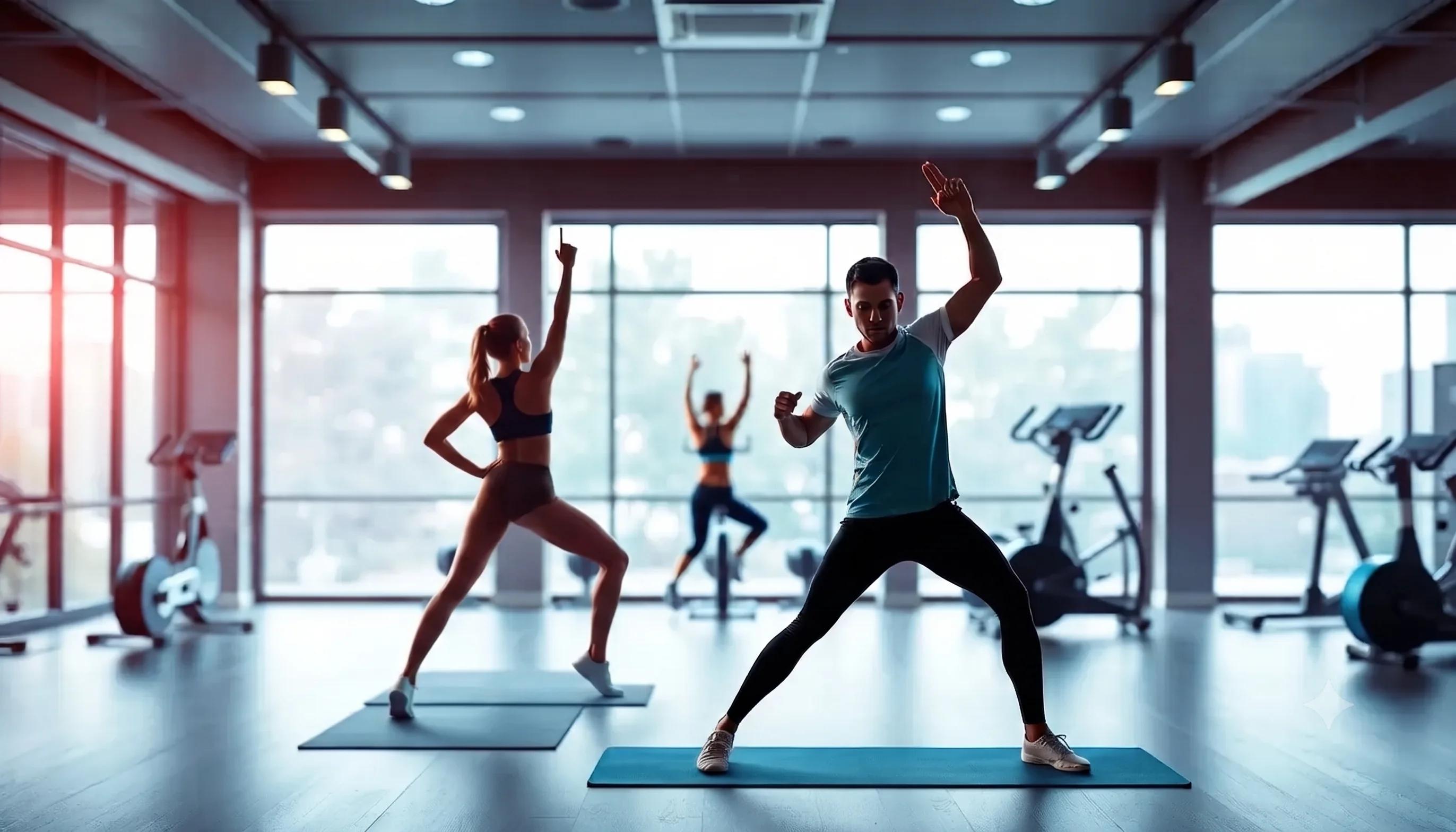
The yoga studios with the most coherent, instantly recognizable Instagram aesthetics do not hire a photographer every month. They hire one for a single half-day, and they plan it so methodically that what they walk away with covers three to four months of hero images.
The difference between a shoot that produces 12 usable photos and one that produces 80 is entirely pre-shoot preparation. It is the shot list: the comprehensive, category-organized list of every image the studio needs for every content use case, built before a single light is set up. Studios that show up to a brand shoot without one end up with beautiful photos of ambiguous use. Studios that bring a well-built shot list leave with a library.
This is the shot list. Adapt it for your studio's specific style, instructors, and offerings.
Before You Build the Shot List: Define the Visual Identity
A shot list without a defined visual identity produces inconsistent results. Before deciding what to photograph, decide what your Instagram feed is communicating.
Write down three words that describe how a new visitor should feel when they land on your profile. "Warm, accessible, grounded" is a completely different visual direction than "crisp, aspirational, powerful." The words drive every subsequent decision: the light quality you shoot in (golden morning light vs. bright midday vs. shadowed atmospheric), the color palette of clothing and props, whether your instructors are smiling directly at camera or in contemplative poses, whether the images are wide and airy or close-cropped and intimate.
Pull 15–20 reference images from Instagram accounts you admire, not necessarily other yoga studios, but any accounts that feel the way you want your account to feel. Share this mood board with your photographer before the shoot. It takes 20 minutes and it saves two hours of misalignment during the session.
The Complete Shot List: 10 Categories
1. Studio Space (8–10 shots)
These are the establishing images: they tell a potential student what the physical experience of coming to your studio will feel like before they arrive.
- Wide room shot, empty: every mat in place, props arranged, natural light through windows. Shoot from the back corner at a low angle to emphasize the ceiling height and length of the space.
- Wide room shot, class in session: instructors and students in a midflow moment. Capture a full room and a partial room (3–5 students) for variety.
- Detail shots of the space: the prop wall with stacked blocks and straps, a close-up of a folded blanket on a bolster, the light hitting the floor through a window at 8am, the studio entrance with shoes lined up outside.
- The "room feels" shot: wide, with a single instructor or student in the frame, space around them. The image that communicates stillness and spaciousness simultaneously.
2. Instructor Portraits (3–5 shots per instructor)
Every instructor needs their own set. These are the images that appear in the class description, the bio, the Stories introduction, the local press piece.
- Direct-to-camera portrait, warmly lit, genuine expression, no forced smile. Seated or standing in the studio. This is the homepage hero image, it needs to communicate approachability and authority at once.
- Teaching in action: mid-cue, hand on a student's shoulder or walking between mats, fully engaged with the class. Motion is fine here, connection is the priority.
- In practice: the instructor in a pose they personally teach and embody, photographed at the level where the alignment story is clearest (usually a 45-degree angle to the body).
- Candid moment: pre-class setup, post-class conversation with a student, adjusting props. The shot that shows who they are when they're not performing.
3. Poses and Practice (12–15 shots)
The instructional content shots. These are used for class announcements, educational posts, and the visual language that communicates what style of yoga the studio teaches.
- Foundational poses, well-lit and clearly aligned: downward dog, warrior I and II, tree, seated forward fold. These are the most searched-for yoga images and the most reused. Shoot at two angles for each.
- One beautiful "peak pose", the image that communicates the aspirational arc of the practice. For a vinyasa studio, a float through a jump-back. For a yin studio, a deeply supported reclined position. For a power studio, an arm balance with clear alignment.
- Modification variations: the same pose with a block, with a blanket, with a strap. These images communicate inclusion and are used constantly for educational posts.
- Close-up details: hands in mudra, bare feet on the mat, hands at heart center, the side profile of the spine in a seated twist. These are the "white space" shots: versatile, aesthetically flexible, not pose-specific.
4. Student Experience (6–8 shots, with model releases)
The images that communicate what it actually feels like to be a student at this studio.
- Pre-class arrival: students unrolling mats, setting up props, removing shoes at the door, one brief conversation between students before class.
- Savasana: the entire room in stillness, lit by natural light or soft overhead. One of the most-used images in yoga studio marketing, a well-composed savasana shot gets used for months.
- Post-class interaction: a genuine moment between instructor and student, or between two students. The conversation after class that makes people come back.
5. Props and Products (4–6 shots)
If the studio sells retail merchandise, accessories, or has signature props, photograph them as standalone and lifestyle images.
- Flat lay of blocks, strap, and bolster arranged with intentional negative space
- Retail merchandise on a simple surface (studio colors, no clutter)
- The instructor's personal mat and props: what they actually use
6. Outdoor and Natural Context (4–6 shots, if applicable)
If the studio has outdoor space, a rooftop, a courtyard, or is near a scenic location, these shots extend the visual library into a context that interior shots cannot provide.
- Practice in outdoor space at golden hour
- Instructor walking toward the studio entrance
- The exterior of the building, well-composed, if it's visually interesting
7. Lifestyle and Off-Mat Moments (4–6 shots)
The content that humanizes the studio as a community rather than a transaction.
- Instructor with their own coffee before teaching (the pre-class ritual)
- A candid laugh during a group instructor moment
- Post-class social gathering in the lobby or outside
8. Texture and Atmosphere (6–8 shots)
Pure visual filler: the images used as section breaks in emails, backgrounds for text overlays, and Stories posts when no specific content is scheduled.
- The grain of a wood floor in morning light
- A candle lit in the practice space before class
- A window with bokeh through the glass
- Incense or essential oil diffuser with soft background
Shoot Day Logistics: Making Four Months of Content in One Morning
Budget four hours for the full shot list with one photographer. The typical sequence:
- Hour 1: Empty studio shots, prop and product photography, texture shots (before anyone arrives)
- Hour 2: Each instructor's portrait set (15–20 minutes per instructor for 3–4 instructors)
- Hours 3–4: Group practice shots, student experience shots, lifestyle moments (schedule four to six students to arrive for a 90-minute pseudo-class)
Brief every participant the week before: colors to wear (matching your brand palette or neutrals), what to expect, how to show up (freshly warm, no jewelry that catches light awkwardly). The 10-minute conversation before a shoot saves an hour of reshooting.
Using the Library Strategically
Sort the final edited images into folders by category immediately. The discipline of categorizing the library on delivery day means you can find the right image in 30 seconds rather than scrolling 200 photos hunting for the one savasana shot.
Plan which image covers which content type: the instructor portrait for the bio week, the modification shot for the educational post, the post-class conversation for the community Story. Post one hero image per week from the library, supplemented by casual phone content captured daily.
The result: a feed that looks like it was shot by a professional every week, produced in a single morning.
ForaPost creates AI-powered content for yoga studios and publishes it across Instagram, Facebook, and more, making it easy to deploy a brand photography library at the right cadence without manually posting each image. Run it fully autonomous or review every post before it goes live: your choice. Start free →
Ready to put your social media on autopilot?
Join thousands of small businesses using ForaPost to grow their online presence with AI.
Start FreeFrequently Asked Questions
What is Before You Build the Shot List: Define the Visual Identity?
A shot list without a defined visual identity produces inconsistent results. Before deciding what to photograph, decide what your Instagram feed is communicating.
What is the complete shot list: 10 categories?
These are the establishing images — they tell a potential student what the physical experience of coming to your studio will feel like before they arrive. Every instructor needs their own set.
What is Shoot Day Logistics: Making Four Months of Content in One Morning?
Budget four hours for the full shot list with one photographer.
How does using the library strategically work?
Sort the final edited images into folders by category immediately. The discipline of categorizing the library on delivery day means you can find the right image in 30 seconds rather than scrolling.
Related Posts
How Yoga Studios Can Use Email + Instagram Together to Fill Every Class
Yoga studio email and Instagram marketing together: use Instagram to find new students, email to book them, and a monthly rhythm that fills classes.
Aug 14, 2026
How Yoga Studios Can Use Facebook Events to Fill Every Workshop and Retreat
Yoga studios consistently underutilize one of the most powerful local marketing tools available to them: Facebook Events.
Apr 14, 2026
How Boutique Fitness Studios Use Social Media to Keep Members From Canceling
Half of members who quit a studio leave within 90 days. Here is how social media keeps your spin, barre, and HIIT members loyal and reduces churn.
Sep 5, 2026