Social Media for Interior Designers: Show the Mood Board, Not Just the Finished Room
Social media for interior designers that wins clients: post the mood board, material picks, and progress shots, not only the finished room.
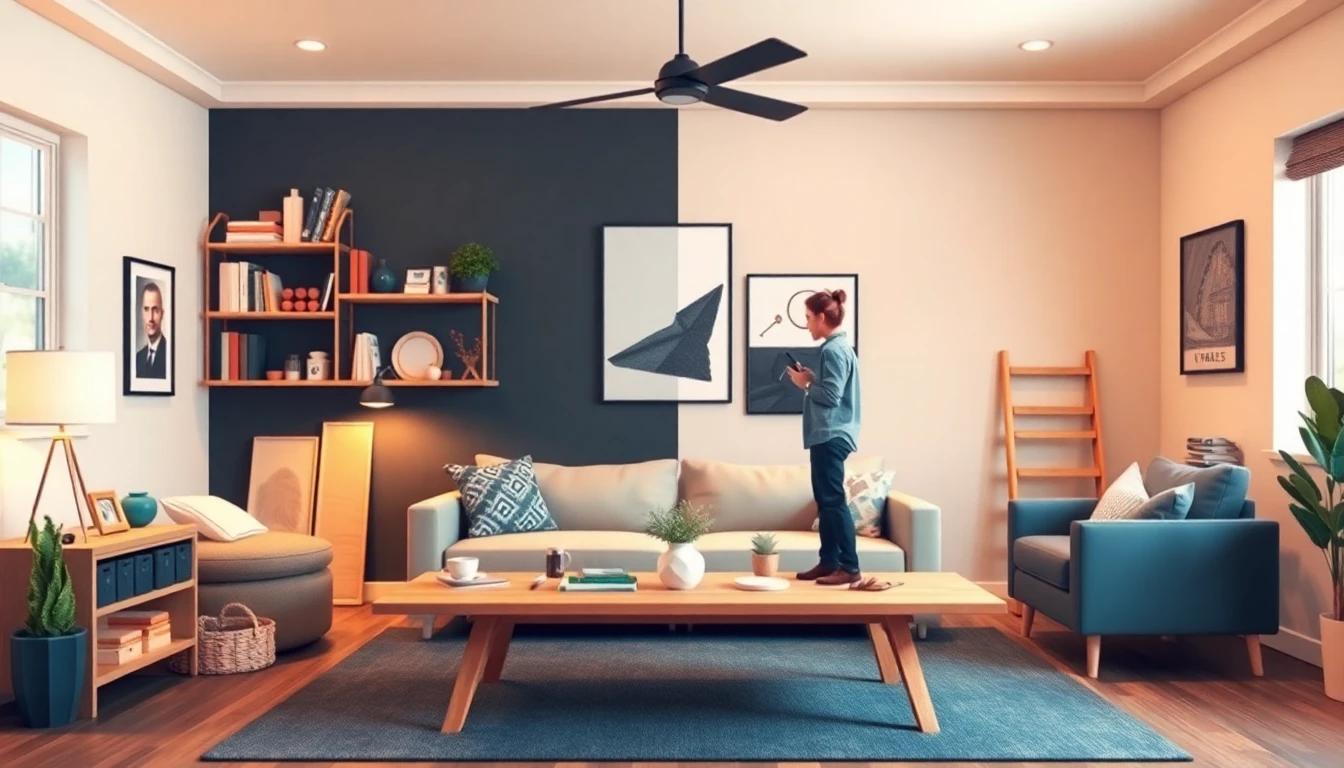
Social Media for Interior Designers: Show the Mood Board, Not Just the Finished Room
Social Media for Interior Designers: Show the Mood Board, Not Just the Finished Room
The finished room photo gets applause. It earns likes, it gets saved, it might even go semi-viral on Instagram. But it does not get clients. The interior designers dominating social media in 2026 have figured out a counterintuitive truth: people do not hire you for the result, they hire you for the process. A beautiful living room photo tells a prospective client what you can do. A mood board to progress to reveal series tells them what working with you feels like. That distinction is the difference between followers and paying clients.
As Fiona Mostyn of My Deco Marketing noted in her analysis of high-performing interior design content, the designers who succeed on Instagram inject their personality and process into their accounts, giving viewers a deeper look into their craft rather than just showcasing finished spaces. The shift from "portfolio" content to "process" content is not a style preference, it is a conversion strategy. When a potential client watches you build a mood board, select materials, present options to a real client, and then reveal the final result, they have mentally rehearsed hiring you. By the time they reach out, the decision is already half-made.
Why Process Content Converts Better Than Portfolio Content
Interior design is an opaque service to most consumers. They know they want a better-looking home, but they have no idea what it takes to get there. The mystery creates hesitation. How much will it cost? How long will it take? Will the designer understand what I want? Will I have any control over the decisions?
Process content answers every one of those questions without you having to sell a thing. When you post a mood board walkthrough explaining why you chose a particular palette for a client's kitchen renovation, you are demystifying the service. When you show a material selection laid out on a table (the tile sample, the countertop swatch, the cabinet finish, the hardware) and explain how each element connects to the others, you are showing the thought behind the design. According to Cedreo's analysis of high-performing Instagram content for interior designers, educational content that teaches the audience something useful positions designers as trusted experts, while inspirational content showing the design process fuels aspiration and attracts ideal clients.
The finished photo says "look what I did." The process series says "here is how I think." Clients hire how you think.
The Mood Board as Content Anchor
The mood board is the single most shareable piece of content in your design workflow. It is visually rich, conceptually interesting, and immediately understandable even to people who know nothing about interior design. A well-composed mood board, combining color swatches, material samples, furniture selections, lighting choices, and spatial references, tells a story in a single image. It communicates taste, intention, and sophistication simultaneously.
Post mood boards as standalone content. Share them as Instagram carousels with each slide drilling into a different element: why you chose that fabric, what inspired the color direction, how the lighting sets the mood. Use them as TikTok and Reels content by filming the physical board assembly: hands placing swatches, pinning fabric samples, arranging product images into a cohesive composition. The tactile, hands-on quality of mood board creation translates beautifully to short-form video.
Mood boards also work as content between projects. Not every designer has a constant stream of completed rooms to photograph. But every designer can create mood boards at any time, for hypothetical projects, trend explorations, seasonal palettes, or style exercises. As multiple design marketing experts have noted, 3D rendering tools now allow designers to visualize concepts even without active client projects, but the mood board remains the most accessible and relatable format for social media because it shows intention before execution.
The Series Framework: Mood Board → Progress → Reveal
The most effective content structure for interior designers is a multi-post series that follows a single project from concept through completion. This approach works because it builds narrative tension, the same psychological mechanism that makes people binge-watch television shows. Once someone sees your mood board for a kitchen renovation, they want to see the demolition, the construction, the material installation, and the final reveal. They will follow your account just to see how the story ends.
Structure the series in four to six posts spread over weeks or months, depending on project timeline.
Post one is the mood board and design concept. Share the initial vision, explain the client's brief, and present the palette and direction you chose. Be specific about the reasoning: "The client wanted a space that felt warm but modern, so we anchored the palette around [specific material] and [specific color] to achieve that balance."
Post two is the material and product selection. Show the physical samples, the sourced furniture, the lighting fixtures. Tag vendors and showrooms. This expands your reach through their audiences and builds professional relationships.
Post three is the progress documentation. Construction photos, installation shots, the messy middle where the space does not look like anything yet. This content is underrated. Showing the unglamorous stages of a project demonstrates your ability to manage complexity and builds trust by proving you are not just curating pretty images, you are doing real work.
Post four is the detail shots. Close-ups of the finished elements that demonstrate craftsmanship and attention: the way the light hits the countertop, the texture of the upholstery, the hardware against the cabinetry. These images serve your portfolio while also satisfying the audience that followed the series.
Post five is the full reveal. The wide shot. The money content. But now it carries the weight of everything that came before it. A finished room photo posted in isolation gets likes. A finished room photo at the end of a documented journey gets emotional investment, shares, saves, and DMs asking "how do I hire you?"
Platform Strategy for Interior Designers
Instagram remains the primary platform for interior designers because the visual format aligns perfectly with the work. Carousels are the highest-engagement format in 2026 for design content, they encourage saves and shares, both of which the algorithm rewards heavily. Post mood board carousels, process breakdowns, and before-and-after transformation series as carousels. Use Reels for short-form video content: time-lapses of mood board assembly, quick room tours, material comparisons, and design tip clips.
TikTok extends your reach beyond your existing audience. The platform's algorithm surfaces content based on interest rather than follower count, so a well-produced room reveal or satisfying installation video can reach hundreds of thousands of viewers who have never encountered your brand. Design content performs well on TikTok because it combines visual satisfaction with educational value, the exact combination the algorithm rewards.
LinkedIn is an underexplored channel for interior designers who work on commercial projects. If your portfolio includes offices, retail spaces, hospitality, or healthcare environments, LinkedIn puts your work in front of decision-makers: facilities managers, office managers, developers, and business owners, who have budgets and need for design services but are not browsing Instagram for them.
Content That Positions You as an Expert, Not Just an Artist
The designers building the strongest client pipelines through social media are the ones who balance inspiration with education. My Deco Marketing's content framework for interior designers identifies several high-performing post types that go beyond project showcases: explaining what is worth the investment in a specific room type, identifying common DIY renovation mistakes, and connecting emotional outcomes to design choices (helping clients realize designers create feelings, not just rooms).
Opinion content performs particularly well on Instagram in 2026. Take a stance on a design trend. Explain why you are moving away from a popular material. Share your predictions for the next wave of design. According to My Deco Marketing's 2026 analysis, posts designed as hooks (carousels and Reels structured around strong opinions) deliver the strongest reach, saves, and engagement for interior designers. The design world is full of people who follow trends. Audiences gravitate toward designers who lead them.
Posting Cadence and Practical Guidance
Post three to five times per week on Instagram, mixing carousels, Reels, and Stories. Stories are your daily touchpoint: use them for quick polls ("Which fabric for this client's sofa, A or B?"), behind-the-scenes clips from site visits, and casual updates that show the human side of your work. Repost TikTok videos to Instagram Reels for cross-platform efficiency.
Photograph every project at multiple stages, not just the finished result. Dedicate 10 minutes per site visit to capturing content: the raw space before work begins, material deliveries, construction progress, and the final styled room. This investment in documentation pays dividends over months as you roll out the series content.
ForaPost makes managing an interior designer's multi-platform presence straightforward. Your AI Manager creates content ideas and captions that highlight your design process: mood board walkthroughs, material spotlights, project progress updates, while your Calendar keeps your posting cadence consistent across Instagram, TikTok, and LinkedIn. Insights shows you which content drives saves, shares, and DM inquiries, so you can focus your energy on the formats and topics that actually bring clients through the door. Show your process. Tell your design story. Let ForaPost handle the publishing. Explore ForaPost for Home Services →
Ready to put your social media on autopilot?
Join thousands of small businesses using ForaPost to grow their online presence with AI.
Start FreeFrequently Asked Questions
Why do process posts win more design clients than finished room photos?
Interior design is an opaque service to most consumers. They know they want a better-looking home, but they have no idea what it takes to get there.
What does a finished room photo actually get you on Instagram?
The finished room photo gets applause. It earns likes, it gets saved, it might even go semi-viral on Instagram.
Which social media platform is best for interior designers?
Instagram remains the primary platform for interior designers because the visual format aligns perfectly with the work.
Why are mood boards good social media content for interior designers?
The mood board is the single most shareable piece of content in your design workflow. It is visually rich, conceptually interesting, and immediately understandable even to people who know nothing about interior design. A well-composed mood board, combining color swatches, material samples, furniture selections, lighting choices, and spatial references, tells a story in a single image.
How should an interior designer post a project as a series?
The most effective content structure for interior designers is a multi-post series that follows a single project from concept through completion.
Related Posts
How Independent Auto Shops Use Social Media to Compete With Dealership Service Departments
Independent auto shops can beat dealership marketing budgets on social media by showing real mechanics, real customers, and honest local trust.
Sep 29, 2026
How to Use Nextdoor for Your Cleaning Business (The Platform Your Competitors Forgot)
Nextdoor is where homeowners ask neighbors for cleaning referrals. Set up a business page, answer requests the right way, and win jobs competitors miss.
Sep 5, 2026
Nextdoor vs. Facebook for Cleaning Businesses: Where Local Clients Actually Hang Out
Nextdoor vs Facebook for a cleaning business: which one brings local clients, why Nextdoor leads close so well, and how to use both wisely.
Aug 24, 2026