Social Media for Food Trucks: The No-BS Guide to Getting Lines Around the Block
You're not running a restaurant. You're running a moving target — and that changes everything about how social media should work for…
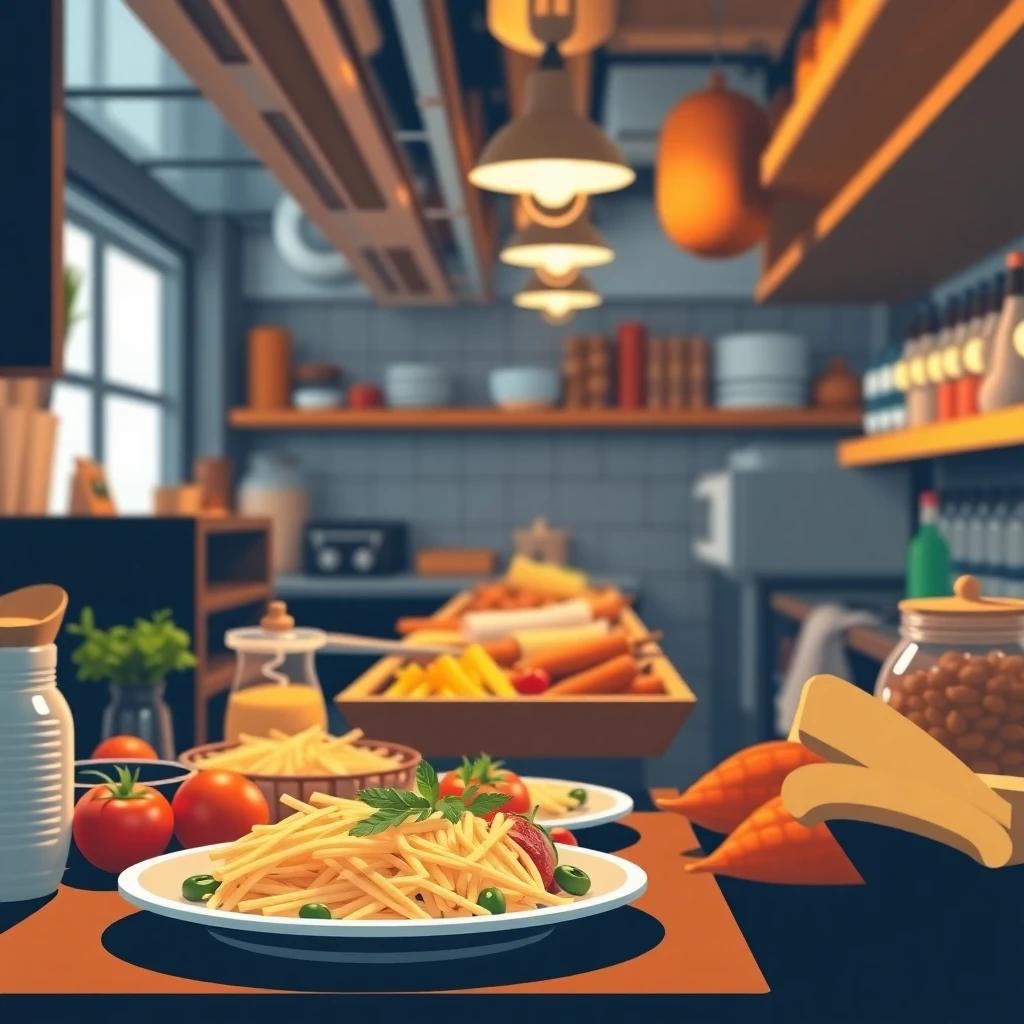
Social Media for Food Trucks: The No-BS Guide to Getting Lines Around the Block
You're not running a restaurant. You're running a moving target, and that changes everything about how social media should work for you.
Most social media advice for food businesses is written for places that stay put. Post pretty photos. Build a content calendar. Engage with your community. Good advice for a bistro with a fixed address. Useless for you, if your biggest asset is that you can be anywhere, and your biggest problem is that nobody knows where you are right now.
Here's the truth most guides miss: food truck social media isn't a branding exercise. It's a location broadcast system with personality.
The Mistake That's Costing You Lunch Crowds
Picture this: someone in your city has a craving. They remember your truck from last month: the tacos, the smell, the line of people who clearly knew something they didn't. They check your Instagram. Your last post is five days old. It's a quote graphic about "following your passion."
They eat somewhere else.
This happens dozens of times a week to food trucks that have decent food and nonexistent location-sharing habits. With over 58,000 food trucks now operating in the U.S. (a 15.9% increase since 2018), the market is crowded. Hungry customers have options. The truck they can find wins.
Post Location First. Everything Else Is Bonus.
Your social media has one non-negotiable job before any other: tell people where you are. Not where you'll be next week. Not where you usually park. Where. You. Are. Today.
This means:
- A post the morning of each service, with your exact location (address, landmark, or "parked in front of [well-known building]")
- Update if you move
- Post again when you're about to sell out or wrap up
In ForaPost: Open Catalog Maker → Create a record for each regular location or route day (e.g., "Riverside Park: Taco Tuesday") → Attach a photo of your truck at that spot → Check "Treat as Event" → Set the date.
Facebook is still the most reliable platform for this: it's where your local community actually coordinates around food. Instagram Stories works well for real-time updates because they feel urgent by nature. Platforms like Twitter/X and Threads reward the quick, punchy "We're at Main & 5th until 2pm" announcement.
This isn't glamorous content. It doesn't go viral. But it fills your line, which is the whole point.
Build Your Content Around Three Pillars
Once location is covered, the rest of your content can do real work. Think of everything you post in three buckets:
1. The "Find Me" Post Daily or near-daily. Location, hours, what's special today. Keep it short. Pin it to the top of your Facebook page. Use geo-tags and location-specific hashtags like #AustinFoodTrucks.
2. The "Come Back" Post This is where personality lives. Behind-the-scenes prep. The story of your signature dish. The customer who orders the same thing every week. A short video of the moment your first batch comes off the grill. These posts don't drive today's lunch. They build the loyal following that shows up every week and tells their coworkers.
3. The "Trust Me" Post Social proof. A customer photo. A review. A local press mention. A shot of a genuine line. Nothing sells food faster than evidence that other people already love it. Repost customer-created content every time you can.
A Word About Video
Short-form video has become unavoidable, and food trucks are genuinely positioned to do it well. The sizzle of a flat-top grill. The fold of a perfect taco. Sauce being drizzled from a height. These are 15-second videos that stop a scroll.
TikTok can build awareness but, as experienced operators will tell you, it doesn't always drive foot traffic directly. Instagram Reels and Facebook Reels tend to convert better into actual customers for local businesses because the audience skews local. Start there if video feels like a stretch.
The Consistency Problem (And the Honest Solution)
The biggest obstacle isn't knowing what to post. It's posting consistently while you're also running a kitchen, managing inventory, and physically driving your business from place to place.
Most food truck owners posting "when they remember" are leaving real money on the table. 60% of customers say they return to the same food truck after a good experience, but only if they can find it again. Consistent posting is how they find you.
This is exactly the problem ForaPost was built to solve. Your AI Manager learns your brand, your voice, and your menu, then creates and schedules platform-specific posts daily, so your channels stay active even when service is slammed. You handle the food. Your AI Manager handles the feed.
The food trucks winning on social in 2026 aren't posting more. They're posting consistently with a system that doesn't depend on having a spare 45 minutes between prep and service.
Your Quick-Start Checklist
- [ ] Pin a daily location post to the top of your Facebook page
- [ ] Use geo-tags on every Instagram post
- [ ] Add your most common neighborhoods/locations to your bio
- [ ] Film one 15-second video this week: anything that shows the food being made
- [ ] Repost the next customer photo you're tagged in
- [ ] Set up a tool (like ForaPost) to keep your channels active when you can't
Your truck has a great story. A line of hungry people is proof. Social media is just how you tell more people where the line is.
Ready to put this into action?
- Post your daily location → Catalog Maker (Treat as Event): Open Catalog Maker → Create a record for each regular location or route day (e.g., "Riverside Park: Taco Tuesday").
- Create behind-the-scenes content showing food being prepared → Catalog Maker: Open Catalog Maker → Create records for your signature dishes, prep routines, and team members → Attach real photos and short video clips.
- Use your own food photos and real customer moments, not stock images → Media Settings (Uploaded Only): Go to Settings → Media.
Want to see how ForaPost works for food service businesses? See how it works for quick-service and takeout →
Ready to put your social media on autopilot?
Join thousands of small businesses using ForaPost to grow their online presence with AI.
Start FreeFrequently Asked Questions
What is the mistake that's costing you lunch crowds?
Picture this: someone in your city has a craving. They remember your truck from last month — the tacos, the smell, the line of people who clearly knew something they didn't.
What is Post Location First. Everything Else Is Bonus.?
Your social media has one non-negotiable job before any other: tell people where you are. Not where you'll be next week.
What is Build Your Content Around Three Pillars?
Once location is covered, the rest of your content can do real work. Think of everything you post in three buckets: Daily or near-daily.
What is A Word About Video?
Short-form video has become unavoidable, and food trucks are genuinely positioned to do it well. The sizzle of a flat-top grill.
What is the consistency problem (and the honest solution)?
The biggest obstacle isn't knowing what to post. It's posting consistently while you're also running a kitchen, managing inventory, and physically driving your business from place to place.
Related Posts
Instagram for Caterers: The Event Gallery That Makes Planners Pick Up the Phone
An Instagram gallery organized by event type shows planners you have handled events like theirs, with the food presentation quality they expect.
Oct 7, 2026
How Food Trucks Build a Cult Following: Scarcity, Routine, and Social Media
Food trucks build loyal followings through scarcity, routine, and social media FOMO, not just good food. Here's how the pattern works.
Sep 28, 2026
LinkedIn for Caterers: Landing Corporate Contracts Through Thought Leadership
How catering companies use LinkedIn to win corporate clients: post about scale and logistics, show the team, and connect with event planners directly.
Aug 24, 2026